
What is the Feldenkrais Method?
“To make the impossible possible, the possible easy and the easy pleasurable”
Perhaps you want to move with greater ease and elegance – this could mean walking upstairs without pain or surfing your favourite waves with panache. Honestly, one of the things I love most about teaching the Feldenkrais Method, is that professional musicians or dancers seeking a refinement in their skills, might be in the same class as people who want to intelligently manage their pain and restricted movement, due to a whole range of mental and physical conditions.
What to expect from an Awareness Through Movement (ATM) Lesson?
© Igor Patzi
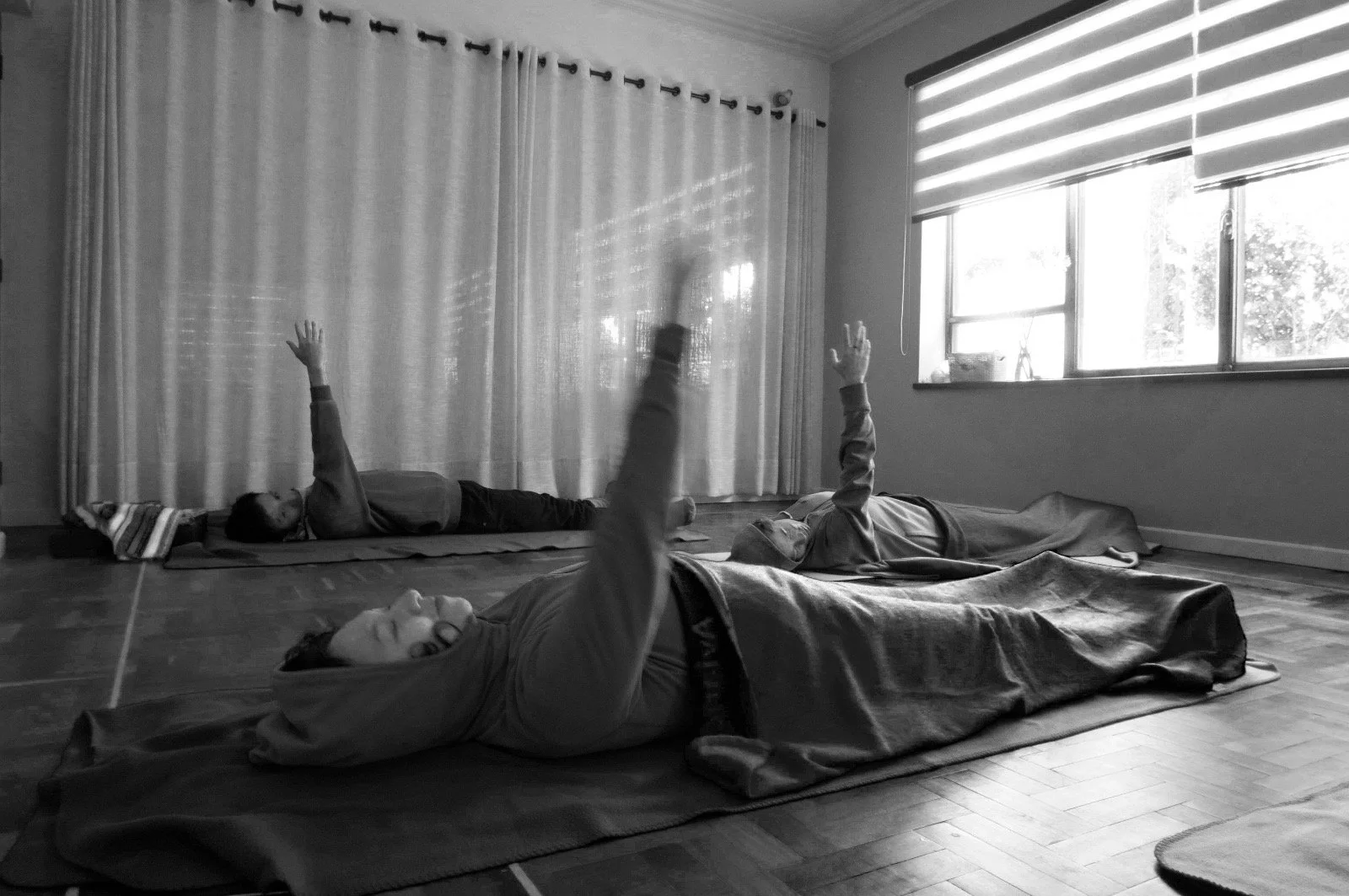
The lessons last about an hour, during which you are led verbally through a series of movements in lying or sitting positions. The movements are most often gentle and slow, although over time, you may be introduced to more dynamic movements. Importantly, you will become aware of how different parts of you are involved in the movements, perhaps noticing when you’re using unnecessary effort or tension. You will be encouraged to find easier, more effortless ways of moving, so that you move in ways that are elegant, efficient, and even pleasurable. This is not a no-pain no-gain type of activity – in fact, we could say it is post-ambitious!
Through these sessions, you will probably feel deeply relaxed, more at ease in yourself, and you may notice a fluidity, freedom and ease in your breath, your movements, and a sense of your whole self. Feldenkrais not only encourages flexible bodies, but also flexible, creative, and spontaneous minds. The classes are for everyone, whether you’ve practiced Feldenkrais before or not. They can be helpful if you experience discomfort in your life, through injury, migraine, neurological disorders, chronic fatigue syndrome, stroke, results of injury or childbirth, chronic pain, somatic aspects of emotional trauma. They can also be deeply beneficial for anyone who wants to become more at ease and self-aware. Practicing Feldenkrais can improve proficiency in activities including dance, theatre, yoga, surfing, running – and more. All you need is to turn up in loose clothes with enough layers to keep warm. Mats and blankets are available at the studio
What to expect from FUNCTIONAL INTEGRATION (FI) One-to-One Lessons
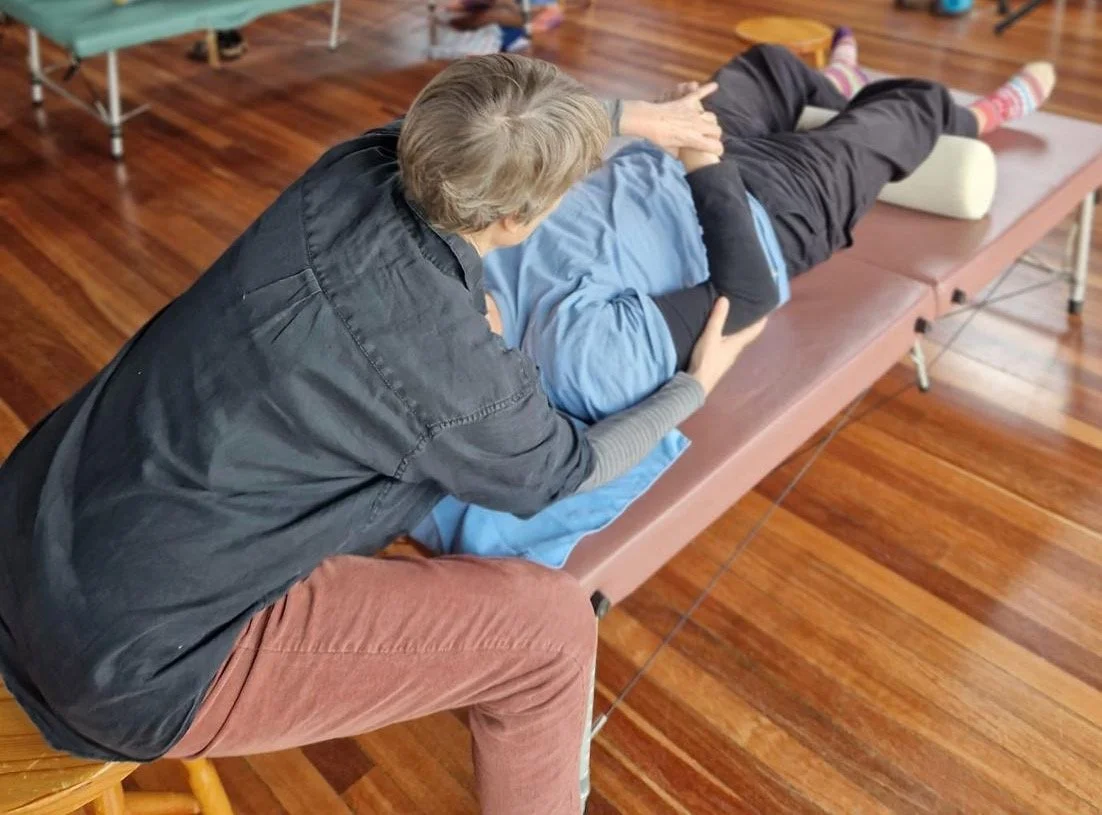
I offer one-to-one lessons in Functional Integration (FI) in my garden studio in Pendeen. The sessions involve about one hour of lying or sitting on a low padded table and allowing me to gently move you in ways to bring your own attention to your habits and the potential for moving and feeling better. Whether you’re feeling fit, or are suffering from pain, discomfort, illness or injury, the sessions are soothing and often illuminating in the way they allow you to sense yourself perhaps in more subtle ways than usual, how you move and how you have habitual ways of holding and organising yourself. Many people report, how over time, the sessions can be life changing.
“The rigour with which we inculcate the rigidness of human nature is the main source of our misery. The human nervous system is the least rigid of all structures; it grows and forms itself while we undergo experience. It is more affected by personal experience than the nervous system of any animal. Personal experience is the key to our ‘greatness’ and our ‘misery’.”
A little more about the Feldenkrais Method
© Igor Patzi
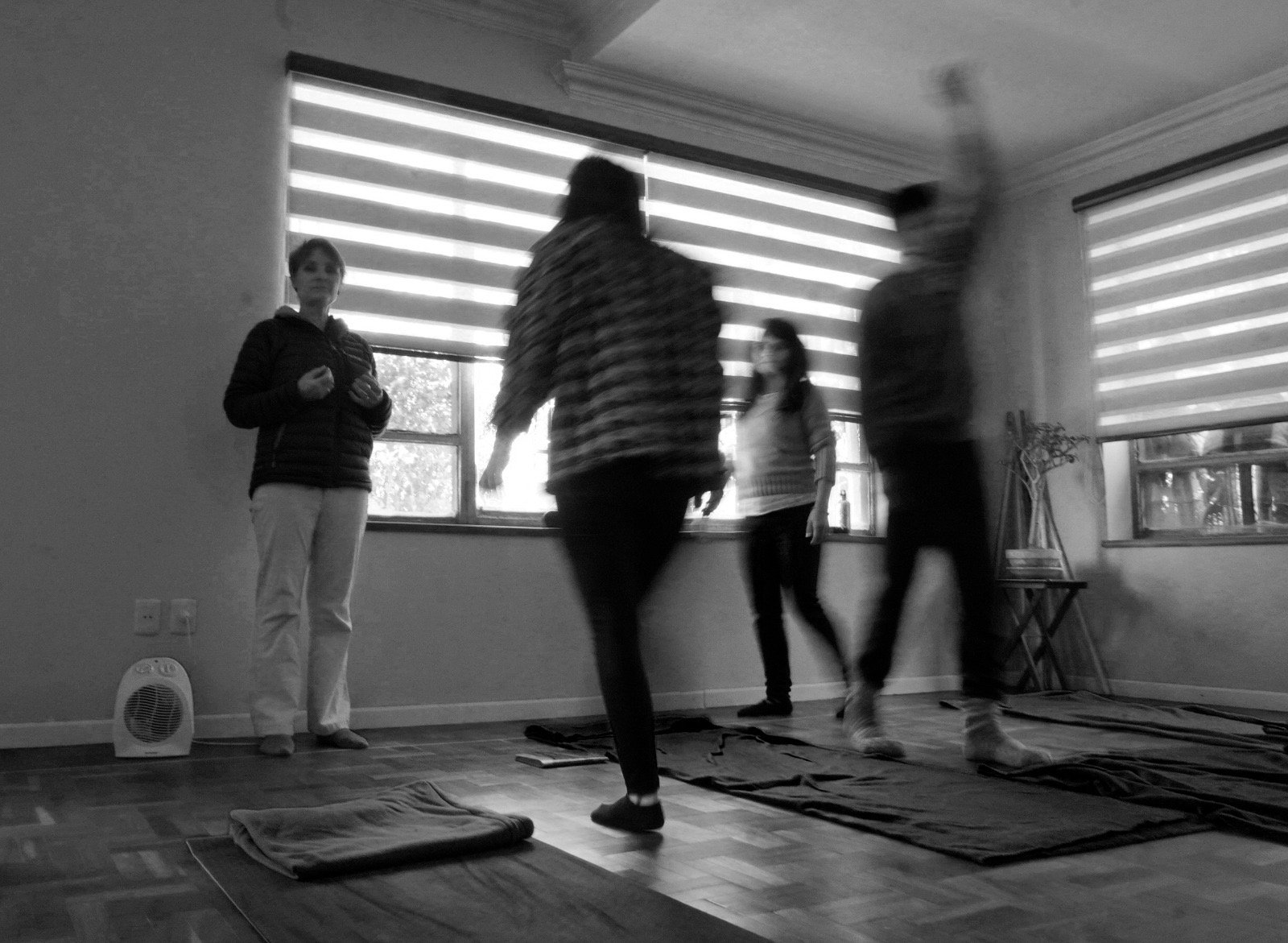
The Feldenkrais Method was created by Moshé Feldenkrais (1904–1984), an engineer and physicist, as he faced the need to rehabilitate his own knee injury. Feldenkrais Method is a gentle, learning based approach that improves movement by integrating awareness, perception, and action, today supporting people of all ages in rehabilitation, performance, and everyday life through Awareness Through Movement classes and hands on Functional Integration lessons.
Feldenkrais uses movement, in ways that are accessible, to find ease, grace, and efficiency in how we move. Moshe Feldenkrais is noted for stating that movement is the language of the brain, and the classes explore the delicate and essential relationship between sensation and the nervous system, igniting the brain’s capacity for learning and renewal (neuroplasticity). There’s an optimism at the heart of the Feldenkrais Method and its potential for finding ways, however old, however ill, tired, injured we may be, to replenish and refresh ourselves and how we feel and move. The result can be a small difference (I find it easier to reverse my car these days) and can sometimes be life changing - - my mum has chronic back pain and now practices Feldenkrais every day - she says it's changed her life!
Links to Further Resources
Ruthy Alon- Bones for Life - showing us a particularly inspiring potential for movement. Ruthy was a student of Moshe Feldenkrais
A great film about the Feldenkrais Method by Feldenkrais Education